
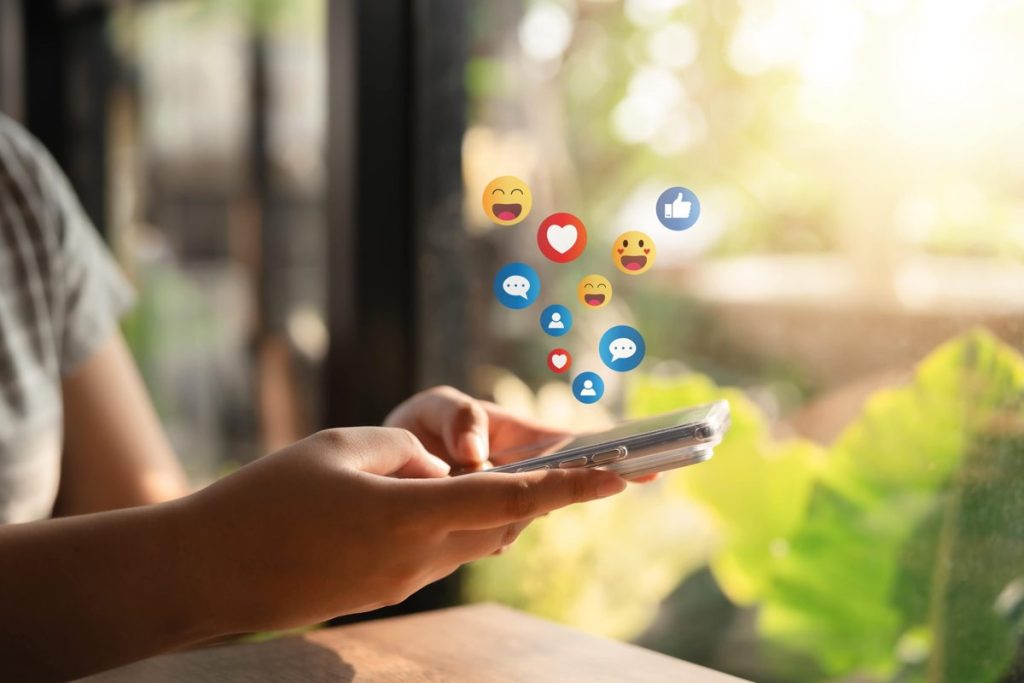
That instant burst of happiness when a notification arrives, and the urge to reach for your phone right away, are no accident. Research from UCLA and Stanford reveals a shocking truth: social media interactions activate the same brain regions as cocaine and heroin.
Our dependence on social media platforms rests on much more serious neurological foundations than we think. Extensive brain imaging studies in recent years have scientifically shown how social media use hijacks the reward systems in our brains.
Dopamine: The Chemical Key to Addiction
According to Stanford School of Medicine’s “Dopamine Nation” research, social media platforms affect the brain’s reward system in the same way as substances such as cocaine, heroin and alcohol, triggering the release of large amounts of dopamine.
UCLA’s Groundbreaking fMRI Study:
- In a brain imaging study of 32 teenagers (aged 13 to 18)
- Teens who saw that their own photos had received lots of likes showed activation in the nucleus accumbens
- This is the same region that is activated by eating chocolate and winning money
- When the same photo was shown with few likes, the brain’s response dropped dramatically
How Is the Brain’s Architecture Changing?
Trevor Haynes, research technician at Harvard Medical School: “Social media platforms are using the same neural circuitry used by slot machines and cocaine to keep us using their products as much as possible.”
Neurological Changes:
- Gray matter density decreases in the prefrontal and orbitofrontal cortex
- Dopamine receptor availability in the striatum decreases while dopamine release increases
- The neural pruning process speeds up, strengthening reward pathways
- Impulse control and decision-making abilities weaken
What do these neurological changes mean?
Long-term social media use leads to structural changes in the parts of the brain responsible for decision-making, attention and self-control. In other words, a person gradually loses control over what they do and when; scrolling stops being a habit and becomes a compulsion.
The Addiction Cycle: The Facts in Numbers
Social Media Usage Statistics:
- Social media use has grown from 5% in 2005 to 72% today
- 95% of teenagers own a smartphone
- 45% are online “almost constantly”
- On average, we check our phones 96 times a day
Brain Responses:
- On social media, 80% of the time we talk about ourselves (compared with 30 to 40% in real life)
- When we receive positive feedback, the brain’s reward center is activated
- When no notifications arrive, the lack of dopamine creates effects similar to symptoms of depression and anxiety
Neuromarketing: How Algorithms Manipulate the Brain
The Role of AI Algorithms: Modern social media algorithms analyze user behavior and serve content designed to maximize dopamine release. These algorithms rely on:
- The novelty factor: constantly suggesting new but similar content to keep dopamine triggers active
- Variable reward schedules: an unpredictable reward system, just like slot machines
- Social approval mechanisms: constant comparison through like, comment and share counts
Laura Elin Pigott, researcher at London South Bank University: “Using social media lights up the same parts of the brain as other addictions such as drugs, alcohol and gambling.”
Young Brains Are More Vulnerable
Risk Factors in Adolescence:
- The reward system is especially active during adolescence
- The prefrontal cortex is not yet fully developed (impulse control)
- The neural pruning process speeds up with social media use
- Emotional regulation abilities are affected
Findings From PMC Research:
- Genetic variations in dopamine D2 receptors make some young people more vulnerable
- Levels of brain-derived neurotrophic factor (BDNF) change
- Connections between the amygdala and the prefrontal cortex weaken
Signs of Addiction: 6 Critical Questions
Ask yourself these questions to assess social media addiction:
- Do you spend a lot of time thinking about social media?
- Do you feel the need to increase the time you spend on it?
- Do you fail when you try to cut back?
- Do you feel restless and tense when you cannot use it?
- Do you choose social media over real-life activities?
- Do you keep using it despite negative consequences?
Digital Detox: Reprogramming the Brain
The Solution Stanford Recommends:
- A 30-day full detox is the minimum time needed to reset dopamine reward pathways
- Limit your daily usage hours
- Choose apps that connect you with real people
- Diversify your usage to avoid the influence of AI algorithms
The Neuroplasticity Advantage: Thanks to the brain’s ability to change, conscious effort can retrain our reward system and steer it toward healthier sources of dopamine.
Conclusion: Living Mindfully in the Digital Age
Social media addiction is no longer just a behavioral problem. It is a proven neurological reality. Research from UCLA, Stanford and Harvard shows that social media interactions really do use the same brain mechanisms as substance addiction.
Being aware of this can help us manage our digital consumption habits consciously. Technology should make our lives easier, not control them.
Remember: Every notification, like and share triggers a chemical reaction in our brains. Being aware of this cycle is the first step toward freedom.
This analysis is based on data compiled from the UCLA fMRI study, Stanford’s Dopamine Nation research, Harvard Medical School neuroscience studies and peer-reviewed articles published on PMC.